.png?width=1200&length=1200&name=Wildfire%20Blog%20Image%20(1).png)
5 Ways Construction Companies Can Protect Workers from Wildfire Smoke
In the summer of 2023, millions of Americans watched the skies over New York City turn an eerie orange. Smoke from hundreds of Canadian wildfires drifted across the eastern United States, creating some of the worst air quality many people had ever experienced. At one point, New York City recorded the worst air quality of any major city in the world, forcing schools to cancel outdoor activities, delaying flights, and prompting officials to distribute millions of N95 masks.
Fast forward to today, and history is repeating itself.
Smoke from another active Canadian wildfire season is once again spreading across the Midwest and Northeast. Air quality alerts now stretch across more than 20 states, affecting over 100 million people. Construction crews in cities like Chicago, Detroit, Philadelphia, and New York are working under hazy skies while health officials urge employers to reduce outdoor exposure whenever possible. Forecasters expect conditions to improve in some areas before additional smoke moves in with changing weather patterns, reminding us that wildfire smoke is becoming a recurring challenge—not a once-in-a-generation event.
For construction companies, that raises an important question: How do you keep crews safe when the air itself becomes a jobsite hazard?
While Federal OSHA does not currently have a nationwide wildfire smoke standard, employers are still responsible for protecting workers from recognized hazards. OSHA recommends monitoring air quality, adjusting work practices, providing appropriate respiratory protection, and educating employees about the risks of smoke exposure.
Here are five practical steps every contractor should take when wildfire smoke impacts the jobsite.
1. Treat Wildfire Smoke Like Any Other Jobsite Hazard
Many contractors already evaluate weather, fall hazards, electrical risks, and equipment before work begins.
Wildfire smoke deserves the same level of attention.
The biggest concern isn't the smell—it's PM2.5, microscopic particles that are small enough to travel deep into the lungs and even enter the bloodstream. Exposure can irritate the eyes and throat, worsen asthma, increase cardiovascular stress, and become even more dangerous when combined with strenuous physical labor and summer heat.
Instead of viewing smoke as "just another hazy day," make it part of your daily hazard assessment.
How SafetyReports helps
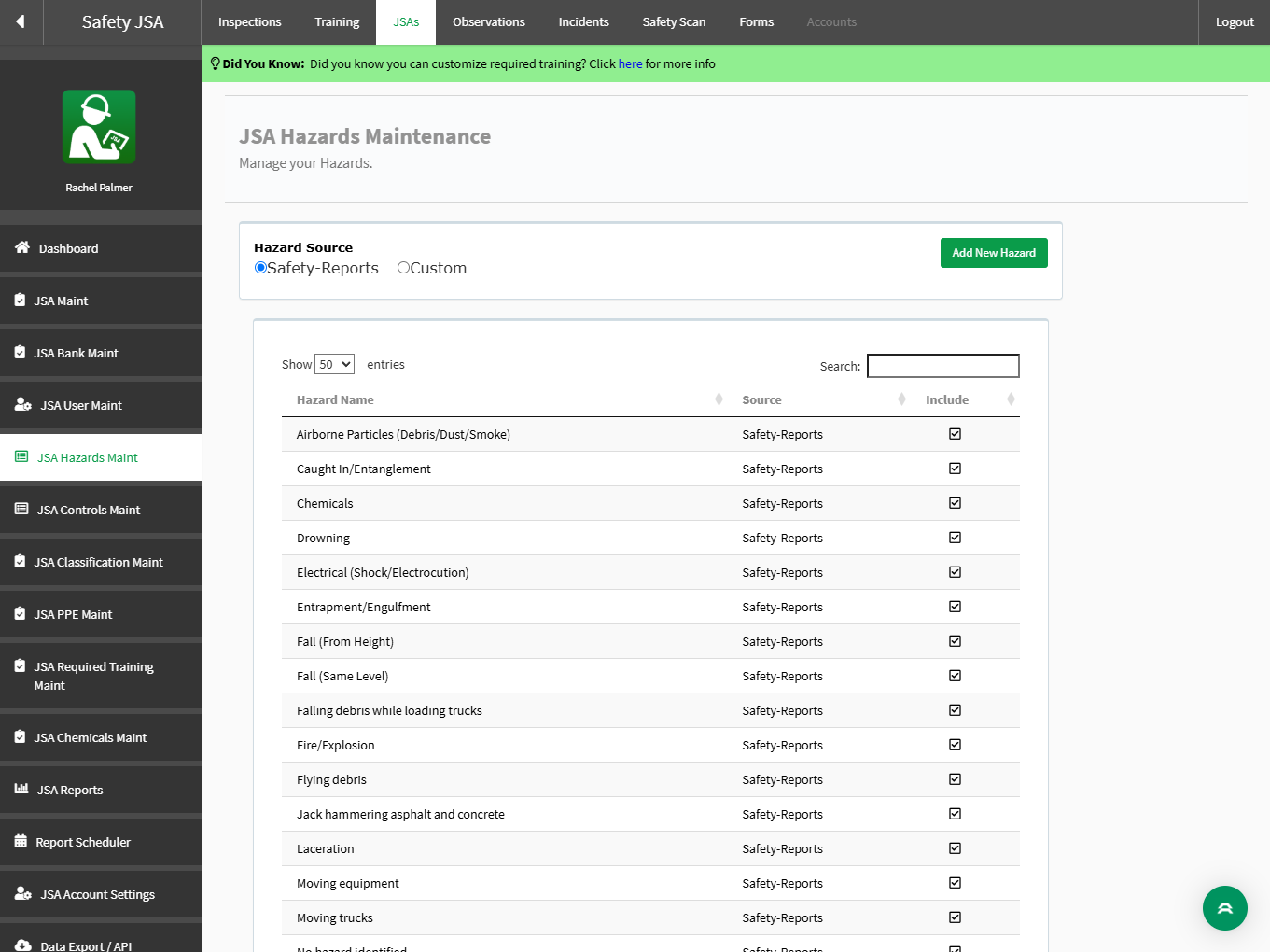
Use the JSA Module to document wildfire smoke as a jobsite hazard. Add smoke-related hazards, PPE requirements, and control measures to your JSA template so supervisors aren't starting from scratch each morning. If smoke is expected for multiple days, simply reuse the template and adjust it as conditions change.
2. Check Air Quality Before Work Begins
Most contractors already check the weather forecast. Checking the Air Quality Index (AQI) should become just as routine during wildfire season.
The EPA's AirNow.gov provides real-time AQI information and forecasts for virtually every jobsite in the country. Monitoring conditions before the workday—and periodically throughout the day—helps supervisors make informed decisions before crews begin strenuous work.
Remember that air quality can change quickly as wind shifts. A jobsite that begins the morning under moderate conditions may become unhealthy by lunchtime.
3. Adjust the Work. Not Just the Schedule
When temperatures climb, contractors often modify work hours.
The same mindset applies to wildfire smoke.
If AQI reaches unhealthy levels, consider:
- Moving strenuous work to earlier in the day
- Rotating employees through less physically demanding tasks
- Increasing rest breaks
- Providing clean indoor or enclosed break areas whenever possible
- Rescheduling non-critical work until conditions improve
Simple operational adjustments can dramatically reduce employee exposure while keeping projects moving.
4. Make Sure Your Crew Knows What to Watch For
One of the biggest risks with wildfire smoke is that symptoms aren't always obvious at first.
Employees should know to report symptoms such as:
- Persistent coughing
- Shortness of breath
- Wheezing
- Chest tightness
- Headaches
- Dizziness
- Unusual fatigue
- Eye irritation
Workers with asthma, COPD, or heart conditions may experience symptoms sooner than others.
The earlier supervisors recognize these warning signs, the sooner they can remove employees from hazardous conditions.
How BusyBusy Safety helps
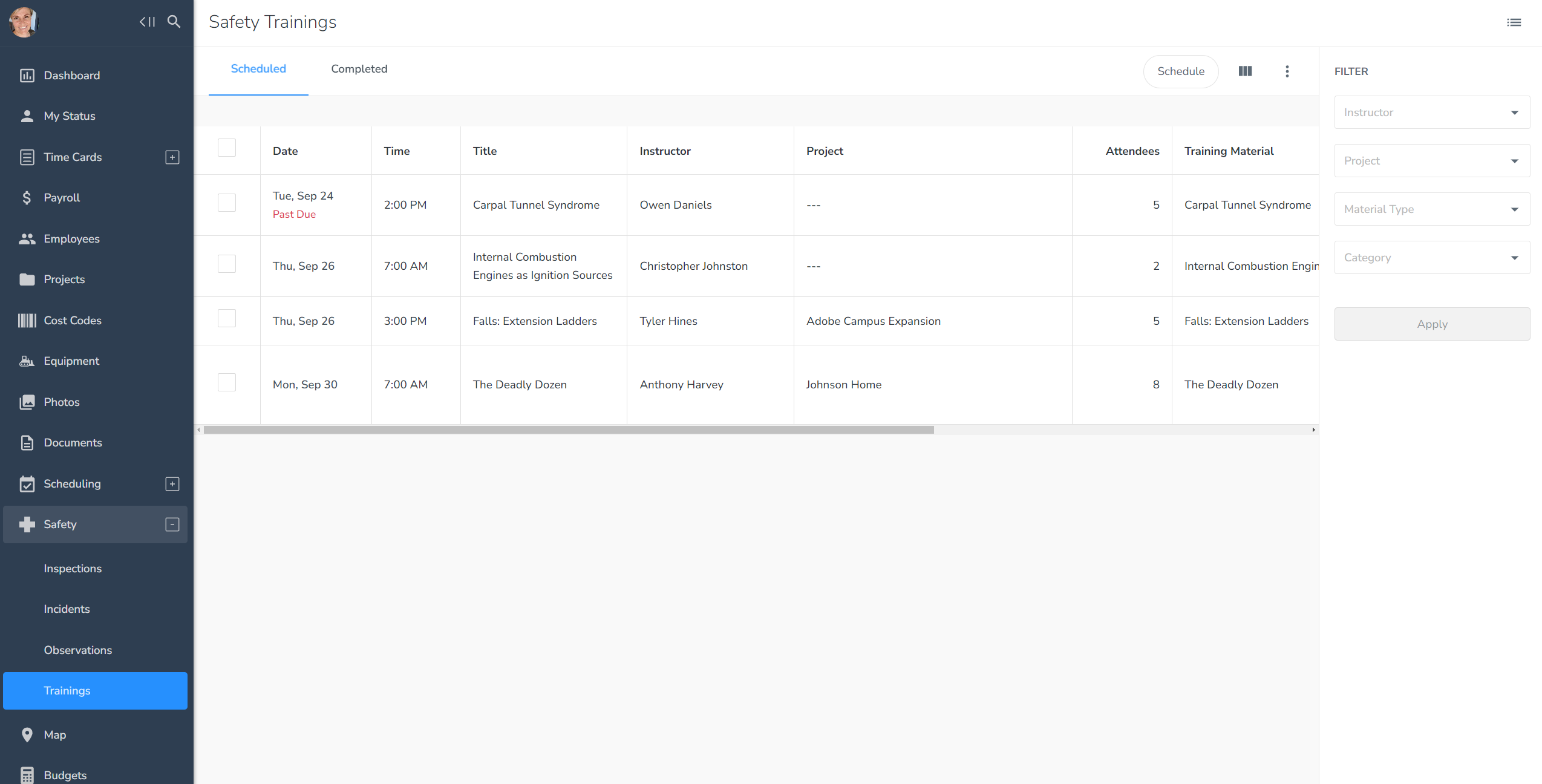
Use Safety Trainings to conduct quick toolbox talks whenever wildfire smoke becomes a concern. Supervisors can assign a training topic, capture digital signatures from every employee, and maintain a complete attendance record without paper sign-in sheets.
Because crews are already using BusyBusy to track time, safety communication happens in the same app they're already opening throughout the day.
5. Document Your Response
If wildfire smoke affects your project, document the steps your company took to protect employees.
This isn't just good recordkeeping—it demonstrates that safety decisions were made thoughtfully based on changing conditions.
Documentation might include:
- Air quality observations
- Daily JSAs
- Toolbox Talks
- PPE provided
- Changes to work schedules
- Employee concerns
- Incident reports if someone experiences symptoms
Having clear documentation helps create consistency across projects and provides valuable records should questions arise later.
How SafetyReports helps
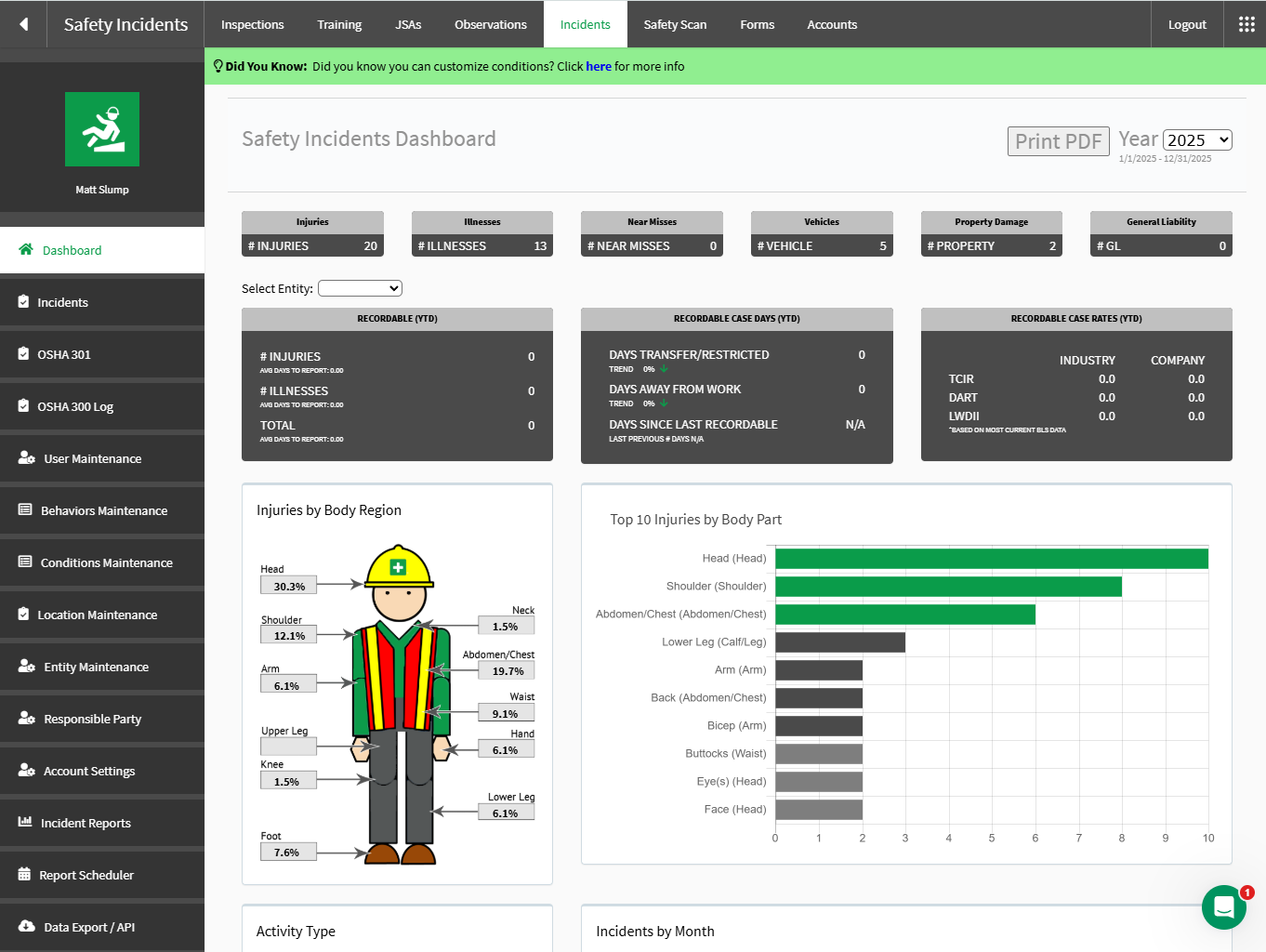
SafetyReports makes documenting wildfire smoke response simple by allowing teams to:
- Complete JSAs from any device
- Attach photos of current jobsite conditions
- Record observations as conditions change
- Document incidents if smoke exposure results in illness
- Maintain a complete digital record of every safety activity
Wildfire Smoke Is Becoming a New Reality
The orange skies over New York in 2023 were shocking because they were unfamiliar.
Today, wildfire smoke has become a recurring challenge across North America. This week's smoke event is another reminder that contractors can no longer assume poor air quality is only a western U.S. problem. Smoke now travels thousands of miles, affecting jobsites from the Midwest to the East Coast.
Construction companies that prepare ahead of time—not after the smoke arrives—will be better positioned to protect their crews, maintain productivity, and demonstrate a strong safety culture.
That's where AlignOps can help.
Whether you're documenting hazards with SafetyReports or delivering digital toolbox talks and safety training through BusyBusy Safety, both part of the AlignOps family of construction solutions, your team has the tools to respond quickly when conditions change. From creating wildfire-specific Job Safety Analyses (JSAs) and recording observations to training crews and maintaining digital safety records, you can build a more proactive safety program that keeps workers informed and protected.
Because safety doesn't stop when the weather changes—and neither should your ability to manage it. Book a demo of AlignOps' safety tools today.
Frequently Asked Questions: Construction Crews Working Safely in Wildfire Smoke
How can construction companies prepare workers for wildfire smoke exposure?
Construction companies can prepare workers by including wildfire smoke in daily safety discussions, training employees on health risks and symptoms, reviewing air quality conditions, and documenting safety procedures. Toolbox talks are an effective way to quickly communicate changing jobsite hazards and ensure every worker receives the same information.
How AlignOps helps: Safety Reports and BusyBusy include digital toolbox talks that allow safety teams to quickly share wildfire smoke safety guidance, capture employee acknowledgments, and maintain a record of worker communication.
What should be included in a wildfire smoke toolbox talk?
A wildfire smoke toolbox talk should cover the health risks of smoke exposure, how to recognize symptoms, how to monitor air quality, when additional precautions are needed, proper PPE use, and what workers should do if they experience symptoms.
How AlignOps helps: SafetyReports and BusyBusy provide ready-to-use toolbox talks that help contractors communicate critical safety information without creating training materials from scratch.
How do you document employee training for wildfire smoke safety?
Contractors should document when workers receive wildfire smoke training, who participated, what topics were covered, and any required acknowledgments. Maintaining digital training records helps demonstrate that employees were informed about jobsite hazards and safety procedures.
How AlignOps helps: SafetyReports and BusyBusy allow teams to assign training, collect digital signatures, and store safety records in one centralized location.
Should wildfire smoke be included in a Job Safety Analysis (JSA)?
Yes. When wildfire smoke impacts a jobsite, contractors should evaluate it as a potential hazard alongside other workplace risks. A JSA can outline exposure risks, control measures, PPE requirements, and changes to work activities.
How AlignOps helps: SafetyReports and BusyBusy allow teams to create digital JSAs, update hazard assessments, and document controls directly from the field.
How can contractors keep crews safe during wildfire smoke events?
Contractors can reduce wildfire smoke exposure by monitoring AQI levels, adjusting work activities, providing appropriate PPE, increasing communication, and documenting safety actions. The key is having a consistent process before smoke conditions become hazardous.
How can SafetyReports and BusyBusy help manage wildfire smoke safety?
SafetyReports and BusyBusy help contractors manage wildfire smoke hazards by providing tools for digital JSAs, safety observations, toolbox talks, training records, and incident documentation. Safety teams can communicate changing jobsite risks, capture employee acknowledgment, and maintain a complete record of their safety response.